The ramen was sumptuous with a very rich flavour. The broth had such depth and kept me coming back for more, but there were some welcome distractions that took my chopsticks elsewhere. There was a side plate of pork dumplings that were both crispy and brothy and the meat melted in your mouth, I couldn’t resist demolishing them before the ramen was conquered. But sitting quietly to the side was a modest plate of egg fried rice and I don’t know what they put in their rice, but it took the show for me. Meaty, flavourful and full of love… and, maybe garlic and onions. Overall a delightful time, spent well with some delightful chefs and their pet turtles, who also seemed friendly! Arigato Goziamasu!! Tanoshindene!! Would recommend!
Overview
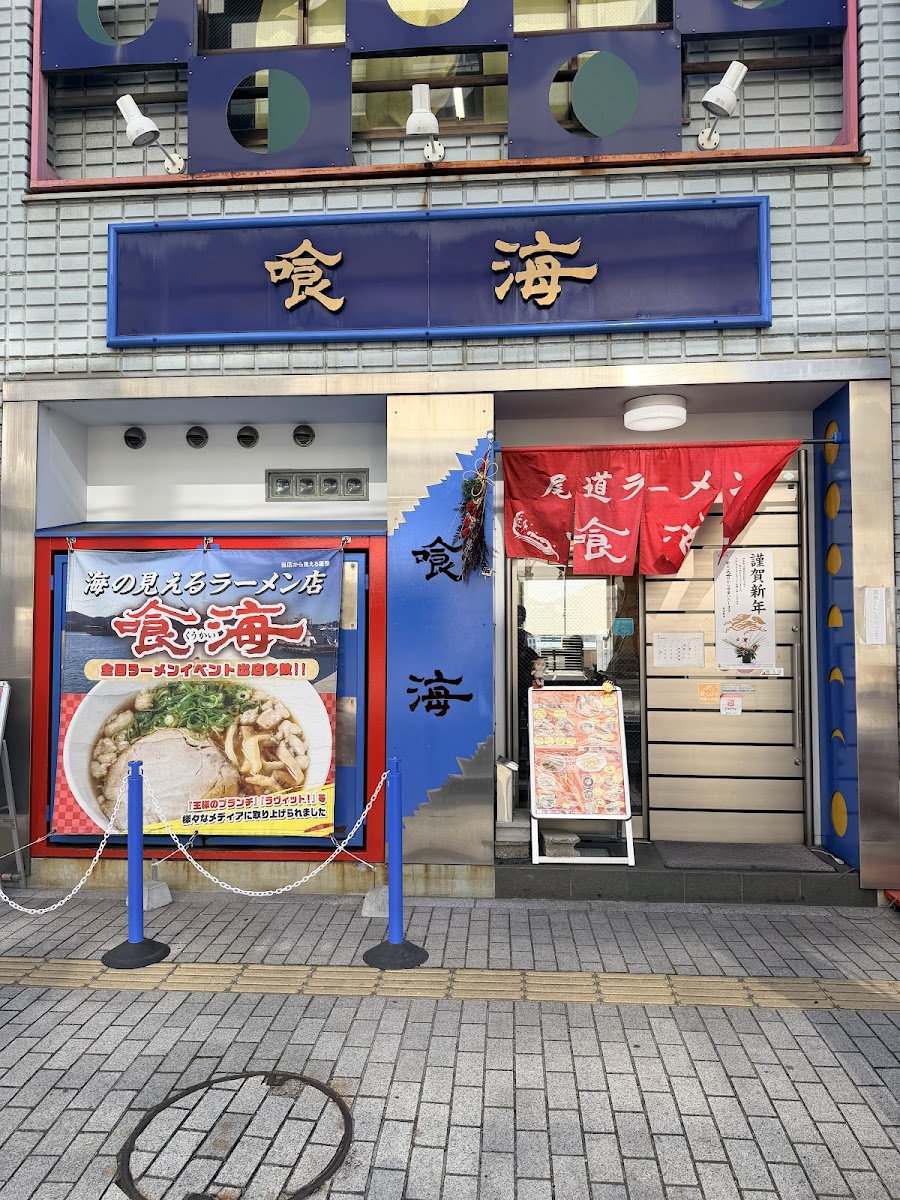
Walking down the narrow streets near the waterfront in Onomichi, the smell of simmering broth tends to guide you before the sign does. Onomichi Ramen Kuukai sits quietly at 1 Chome-12-11 Tsuchido, Onomichi, Hiroshima 722-0035, Japan, and yet it has a way of pulling people in. I first stopped here on a rainy afternoon after a local shop owner told me, with a knowing smile, that this was where you go when you want to understand what Onomichi-style ramen really means.
The menu is refreshingly focused. Instead of pages of options, it leans into a few bowls done exceptionally well. The classic Onomichi ramen arrives with a soy-based broth layered with floating pork back fat, a hallmark of the regional style. This isn’t heaviness for the sake of it; the fat melts into the soup, rounding out the sharpness of the soy and dried fish stock. According to food studies published by the Japanese Society of Culinary Science, balancing umami with fat enhances perceived richness without overwhelming the palate, and this bowl is a textbook example of that principle in real life.
Watching the kitchen at work feels like a small lesson in discipline. Noodles are cooked to order, timed down to seconds, then snapped into place with toppings that look deceptively simple: sliced chashu, green onions, bamboo shoots. The process reminded me of a short interview I once read with ramen historian George Solt, who has pointed out that consistency, not novelty, is what defines enduring ramen shops. Kuukai seems to live by that idea. Every bowl I’ve had here, across multiple visits, tasted remarkably consistent.
What really stands out is how the flavors evolve as you eat. The first sip is clean and savory. Halfway through, the richness deepens, especially if you stir in a bit of the fat. By the end, the broth feels comforting rather than heavy. It’s the kind of meal that explains why ramen has been described by UNESCO-affiliated food researchers as a modern cultural symbol of Japan’s regional diversity.
The space itself is casual and unpretentious, more diner than destination restaurant, which works in its favor. Solo diners sit shoulder to shoulder with couples and small groups. I’ve overheard travelers comparing notes from guidebooks while locals debate whether to add extra noodles. Reviews posted by repeat customers often mention how easy it is to feel welcome here, even if you don’t speak Japanese fluently.
One regular I spoke with comes in weekly after work and always orders the same bowl. He laughed and said, this place never tries to surprise you, and he meant it as the highest compliment. That sentiment matches broader trends noted by the Michelin Guide, which has increasingly recognized regional ramen shops for preserving local identity rather than chasing trends.
There are, of course, limitations. If you’re looking for vegan options or an extensive menu of sides, this may not be your spot. The focus is firmly on traditional ramen, and the seating can feel tight during peak hours. Still, those constraints feel intentional, part of keeping the experience grounded.
By the time you step back out onto the street, there’s a lingering warmth that has nothing to do with temperature. As one handwritten note near the counter boldly declares, good ramen doesn’t need explaining, and after eating here, it’s hard to argue with that.
Good to know
Service options
✓ Delivery ✓ Takeaway ✓ Dine-inPopular for
✓ Lunch ✓ Dinner ✓ Solo diningAccessibility
✓ Wheelchair-accessible toilet ✓ Wheelchair-accessible car park ✓ Wheelchair-accessible entrance ✓ Wheelchair-accessible seatingOfferings
✓ Alcohol ✓ Beer ✓ Coffee ✓ Quick biteDining options
✓ Lunch ✓ Dinner ✓ Seating ✓ Table serviceAmenities
✓ Gender-neutral toilets ✓ Smoke-free place ✓ ToiletCrowd
✓ Family friendly ✓ TouristsPayments
✓ PayPayChildren
✓ Good for kids ✓ High chairsParking
✓ Paid parking lot ✓ ParkingPhotos
1 / 4
Location
Reviews
- No ratings yet 802 reviews
My first time in Onomichi and I really loved the food. Service was amazing. Thank you for a good experience.
Who doesn't love Ramen?! If you don't, what's wrong with you?! Besides, this water-side view in Onomichi is the perfect way to enjoy a tasty bowl of ramen.. take my word for it, get their set that includes gyoza and fried rice... Not sure what they put in that fried rice, but I could eat that every day for at least a month! Something to consider, the place is not large-group friendly. We had six people and ended up sitting bar style and separating the group. Oh yeah, don't forget to feed the turtles!!
A good local food! Onomichi ramen. This restaurant opens at 10am so I had it before I went sightseeing. I liked the chunky bit of pork. Waitresses were nice too.
The regular ramen was very tasty and great for a cold day. They have a special ramen with lemon that is good but would recommend the regular instead.
Ocean view .The master is very kind to families,visitors.Food; portion size is large…